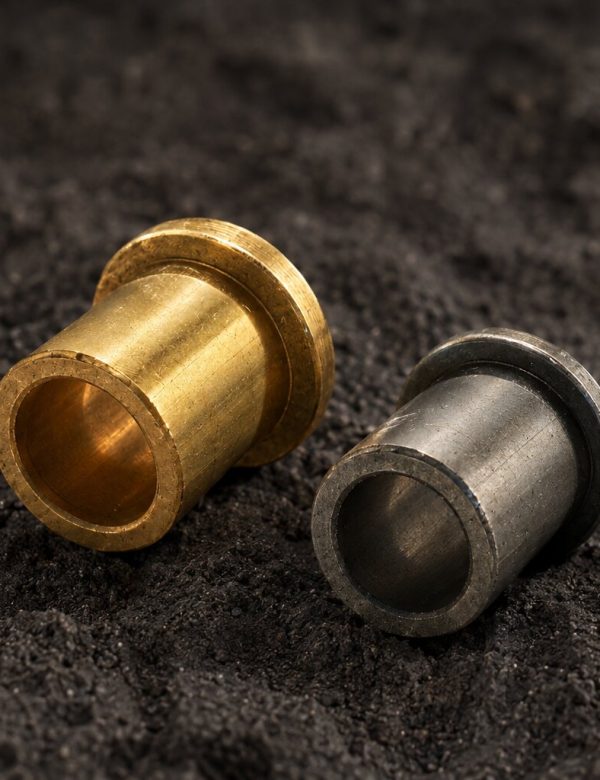
DJA MOND Multilayer self-lubricating bushings
PT…SL Series
- Maintenance-free
- Reduced operating clearance
- High sliding velocity
Pt..SL self-lubricating bushings, also known as DU bushings, are multilayer plain bearings consisting of a steel backing, a sintered porous bronze layer and a PTFE sliding layer. Maintenance-free and designed for dry operation at temperatures up to +280°C, DJA MOND self-lubricating bushings, also referred to as dry bearings thanks to their PTFE layer, combine good friction properties, low wear and high load capacity. These sliding bushings are suitable for high sliding speeds, with negligible stick-slip effect, low operating clearance, good chemical resistance and low water and moisture absorption. Compared with other self-lubricating materials, such as sintered bronze, engineering polymers or fibre-based materials, the multilayer design prioritizes high sliding speed with reduced clearance, making it ideal for applications where smooth and quiet operation is more important than maximum load capacity.
The backing of these multilayer self-lubricating bushings is made of low-carbon steel and coated with 2 μm of copper to promote adhesion of the sintered porous bronze layer, onto which the PTFE sliding layer is deposited. Bronze or stainless-steel backings are also available for specific application requirements. The operating temperature reaches up to +280°C, and no lubrication is required: during the running-in period, the PTFE transfers a thin lubricating film onto the contact surface, ensuring dry operation of the plain bearing throughout the component’s service life. Oil lubrication provides excellent performance, while the use of grease and MoS₂-based additives is not recommended.
Versions
Available in three backing configurations
The structure of PT..SL maintenance-free bushings is available in three versions, each featuring a different backing type.
SL - Steel backing
Three-layer structure consisting of a steel backing, a porous bronze sintered layer (0.2-0.35 mm thick) and a PTFE sliding layer (0.01-0.03 mm thick) embedded into the bronze pores during the lamination process. Supplied with tin plating as standard and copper plating available on request. Standard Supplied tin-plated (copper-plated upon request)
SLB - Bronze backing
The same three-layer structure as the SL version, featuring a non-magnetic bronze backing instead of steel. This configuration provides excellent corrosion resistance and high thermal conductivity. Non-magnetic Excellent corrosion resistance High thermal conductivity
SLSS - AISI 316 stainless steel backing
The same three-layer structure, with an AISI 316 stainless steel backing that provides the plain bearing with excellent corrosion resistance. AISI 316 Standard Maximum corrosion resistance
Performances
Design and performance features
Soluzioni progettate per durare, ridurre la manutenzione e mantenere prestazioni costanti.
Lubrication
During the running-in phase, part of the PTFE is transferred onto the contact surface, creating a lubricating film that ensures low friction without additional lubrication. Operation with oil is highly effective, as it provides lubrication while also dissipating heat, extending the service life of the bushing.
Friction and wear
Low wear rate, high load-carrying capacity Excellent friction behaviour with negligible stick-slip effect and reduced operating clearance. Suitable for applications requiring high sliding speeds.
Chemical resistance
Low moisture and water absorption Excellent chemical resistance, suitable for a wide range of applications, from the automotive industry to pharmaceutical and food processing sectors.
Applications
High loads at low to medium sliding speeds Primarily recommended for applications involving high loads and low to medium sliding speeds, including oscillating motion. Suitable for use in household appliances, as well as in the automotive, pharmaceutical and food processing industries.
Mounting
Installation of multilayer self-lubricating bushings
The bushing must be installed with an interference fit, with the joint positioned opposite the direction of the applied load. Installation should be carried out using a stepped mandrel and a housing with 15°–20° lead-in chamfers. Where additional retention is required, synthetic adhesives may also be used.
Installation Mounting
- Stepped mandrel with 15°/20° lead-in chamfers15°/20° lead-in chamfers on the H7 tolerance housing facilitate installation while preventing damage to the PTFE sliding layer.
- Securing with synthetic adhesives (if required)Where required, synthetic adhesives may be used for securing the bushing in position.
Technical data
- Housing
- H7
- Shaft
- f7 (above Ø75 mm: h7)
- Shaft hardness
- 300–600 HB
- Shaft surface roughness
- Below 0.4 μm (0.3 μm for cast iron)
Applications
Applications of PT..SL self-lubricating bushings
Components and application support for every industrial environment.

Industrial automation
Shafts and mechanisms requiring dry operation and reduced operating clearance, including continuous cycles with high sliding speeds.
Automotive / Motorcycles, Trucks & Buses
Components exposed to high loads and low to medium sliding speeds, including oscillating movements, where low friction and the absence of stick-slip effect ensure smooth and quiet operation.
Metal Fabrication / Machining Industry
General applications requiring a maintenance-free plain bearing; bronze and stainless steel backing versions are suitable for the most corrosive environments.
Contacts
Request information about this product
Complete the form for technical information, quotations or trial samples.
Related products
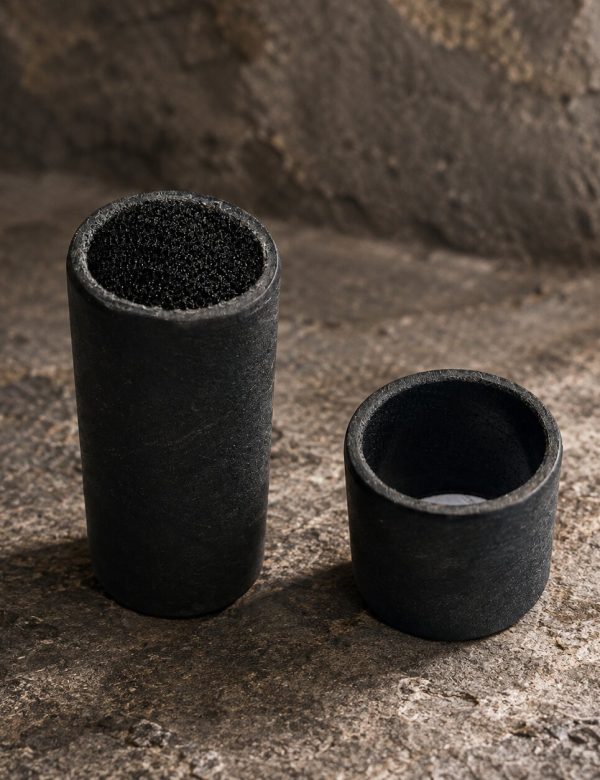
DJA MOND Fibre Bushings
Fibre bushings are plain bearings manufactured with a glass fibre and epoxy resin structure, designed to withstand loads up to 140 MPa in dry-running…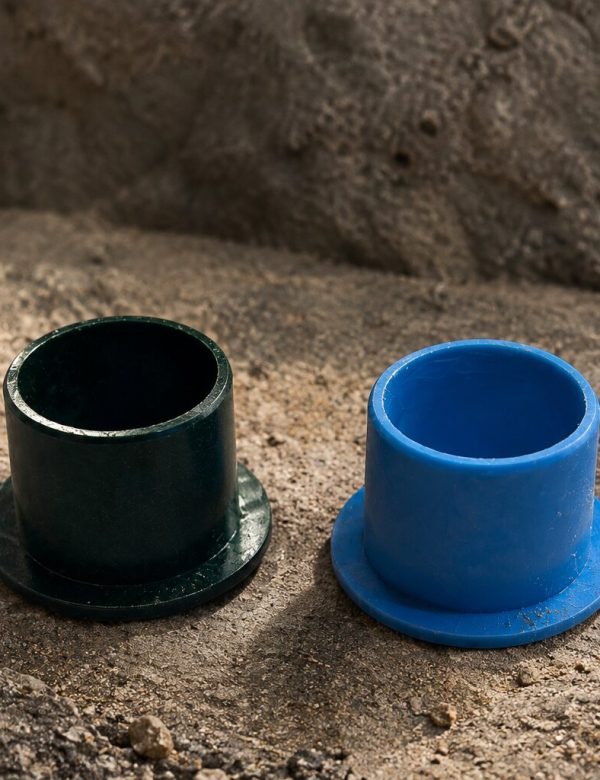
DJA MOND Engineering plastic bushings
Plastic bushings are self-lubricating plain bearings made of engineering polymers. They are among the most widely adopted solutions for industrial applications requiring low weight,…