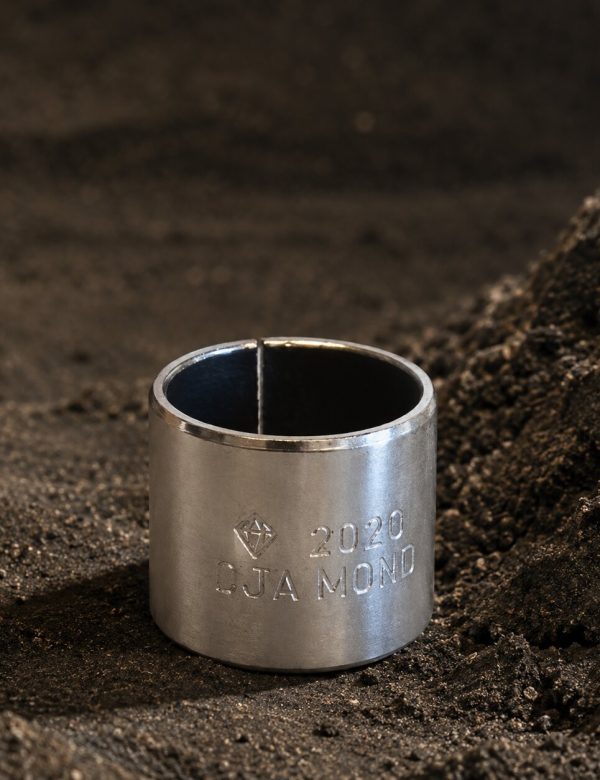
DJA MOND bronze and iron sintered bushings
Self-lubricating bushings
- Maintenance-free self-lubricating bushings
- Porous structure impregnated with oil
Sintered self-lubricating bearings are produced using state-of-the-art powder metallurgy processes. Each sintered bushing has a controlled porous structure impregnated with oil, which is gradually released during operation, creating a continuous self-lubricating film. The oil can be completely or partially replaced by graphite, resulting in a drier surface appearance and a darker colour.
Sintered bushings are self-lubricating plain bearings featuring an oil-impregnated porous structure. They are ideal for high rotational speeds and low-load applications, offering maintenance-free operation. Manufactured using state-of-the-art powder metallurgy processes, each bushing features a controlled porous structure that gradually releases oil during operation, creating a continuous self-lubricating film. The oil can also be partially or completely replaced with graphite, resulting in a drier surface appearance and darker colour. Compared with other self-lubricating materials (solid bronze, PTFE or engineering polymers), sintered bushings are generally recommended for applications involving high rotational speeds and low loads.
The effective porosity of these sintered bushings represents 25–30% of the total volume and can be reduced to 18% to improve mechanical strength under very high static loads. The bushings are impregnated with a selected oil, vacuum-saturated after calibration, which can be partially replaced by graphite as previously described. Machining is generally not recommended, as it can damage the porous structure. If machining is required, carbide tools must be used with approximately 7° front and side clearance angles, low cutting depths and feed rates, at a cutting speed of 100 m/min. Available surface treatments include electroplating, bluing, steam oxidation and heat treatments.
Versions
Two materials for each load condition
Le versioni differiscono per materiale, capacità di carico, temperatura massima e condizioni d’impiego.
BZ.. - Bronze sintered bushings
Sintered bronze bushings are normally supplied with oil impregnation. Upon request, they are also available with a graphite content, which enhances sliding performance at low rotational speeds while slightly reducing the load capacity. Sintered bronze bushings are not suitable for use in dusty environments. General use Not suitable for dusty environments
FE.. - Iron sintered bushings
Sintered iron bushings offer higher load capacity than the bronze version. They should not be exposed to water, impacts during handling must be avoided, and reuse after installation is not recommended. higher load capacity than the bronze version Do not expose to water
Performances
Design and performance features
Soluzioni progettate per durare, ridurre la manutenzione e mantenere prestazioni costanti.
Lubrication
The oil-impregnated porous structure gradually releases lubricant during normal operation, forming a continuous self-lubricating film without the need for external lubrication.
Speed
Suitable for high rotational speeds Good friction properties at very high sliding speeds; generally recommended for applications involving high rotational speeds and low loads.
Manufacturability
Custom-designed parts ready for installation The low production cost typical of powder sintering processes makes it possible to produce even complex custom geometries at a reasonable cost.
Storage
A dry, dust-free environment They must be stored without coming into contact with absorbent materials such as paper, cardboard, or wood.
Mounting
Mounting of sintered bushings
These bushings must be installed by interference fit into the housing using a shouldered, precision-ground mandrel to prevent damage to the bushing during installation. A dedicated anti-withdrawal extractor is required to remove the mandrel after fitting.
Installation Mounting
- Shouldered, precision-ground mandrelThe mandrel tolerance must be maintained within the m5 tolerance range to prevent damage to the bushing during installation.
- Removal using an anti-withdrawal extractorRequired to allow the mandrel to be removed after installation.
Technical data
- Outer Ø
- r7
- Inner Ø
- F7 (G7 after installation)
- Length
- h sj13
- Housing
- H7
- Shaft tolerance
- f7–f8
- Shaft hardness
- 200–300 HB
- Shaft surface roughness
- 0.2–0.8 μm
- Mandrel tolerance
- m5
Applications
Applications of sintered bushings
Components and application support for every industrial environment.
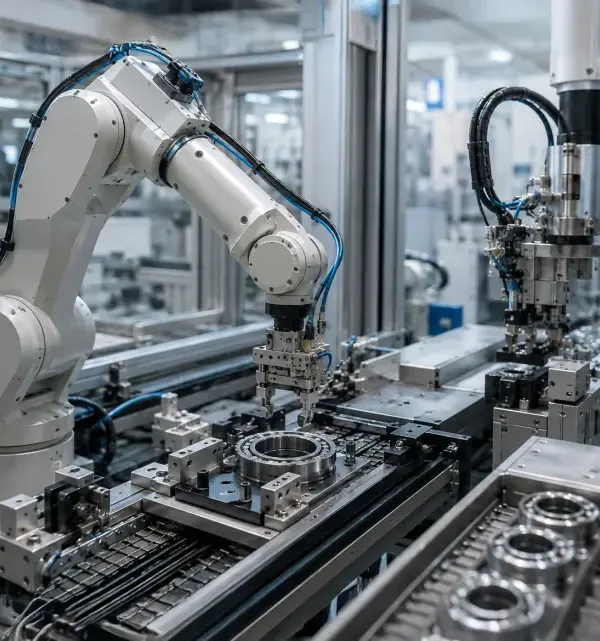
Industrial automation
Small electric motors and high-speed, low-load applications, where the low manufacturing cost makes this component a highly cost-effective choice.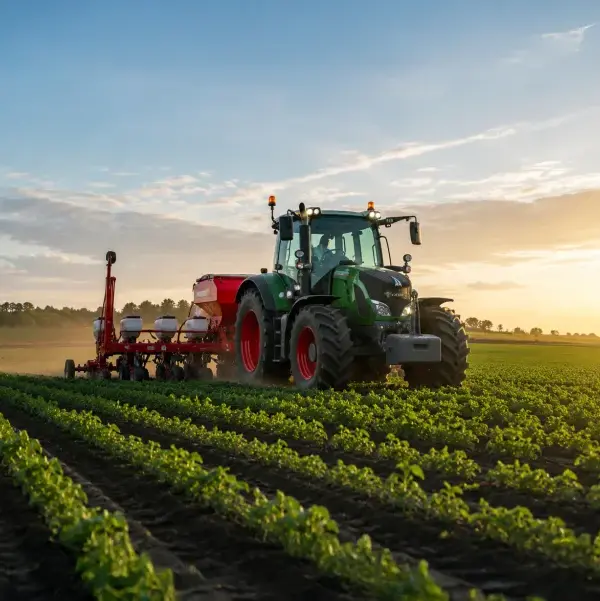
Agriculture
Machinery and components operating under continuous rotation in standard conditions, where the oil-impregnated porous structure provides reliable maintenance-free performance.
Automotive / Motorcycles, Trucks & Buses
Applications where loads exceed the capacity of the bronze version. The iron series supports higher mechanical stresses, provided that contact with water is avoided.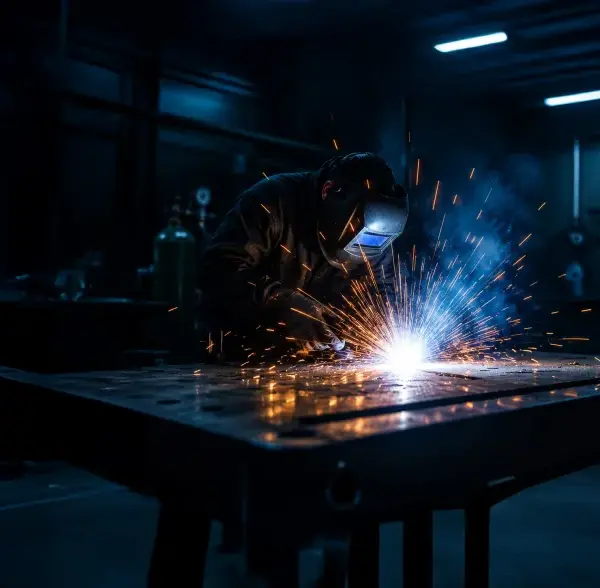
Metal Fabrication / Machining Industry
Industrial machinery and electric tools operating under high loads and sustained rotational speeds.
Contacts
Request information about this product
Complete the form for technical information, quotations or trial samples.
Related products
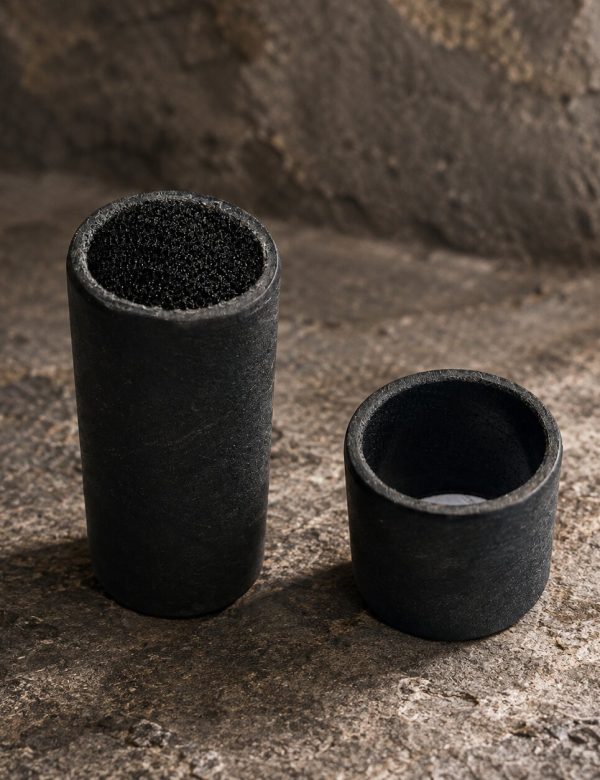
DJA MOND Fibre Bushings
Fibre bushings are plain bearings manufactured with a glass fibre and epoxy resin structure, designed to withstand loads up to 140 MPa in dry-running…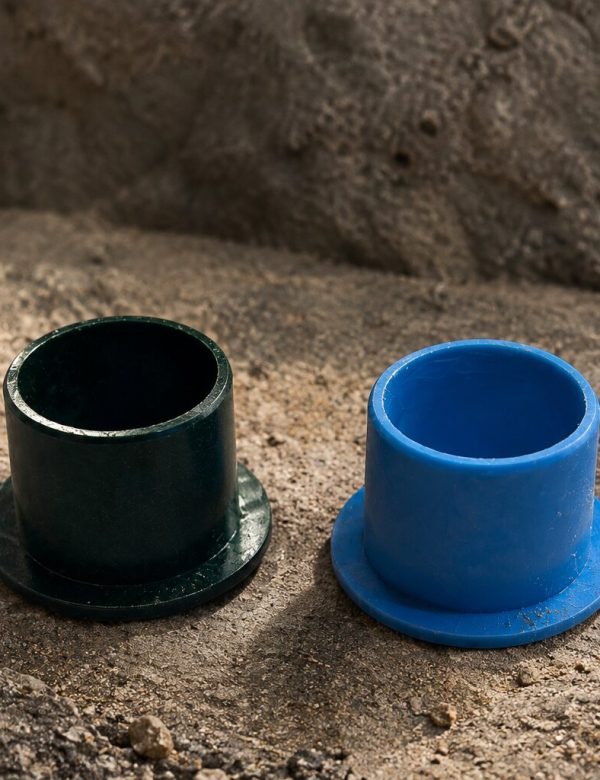
DJA MOND Engineering plastic bushings
Plastic bushings are self-lubricating plain bearings made of engineering polymers. They are among the most widely adopted solutions for industrial applications requiring low weight,…