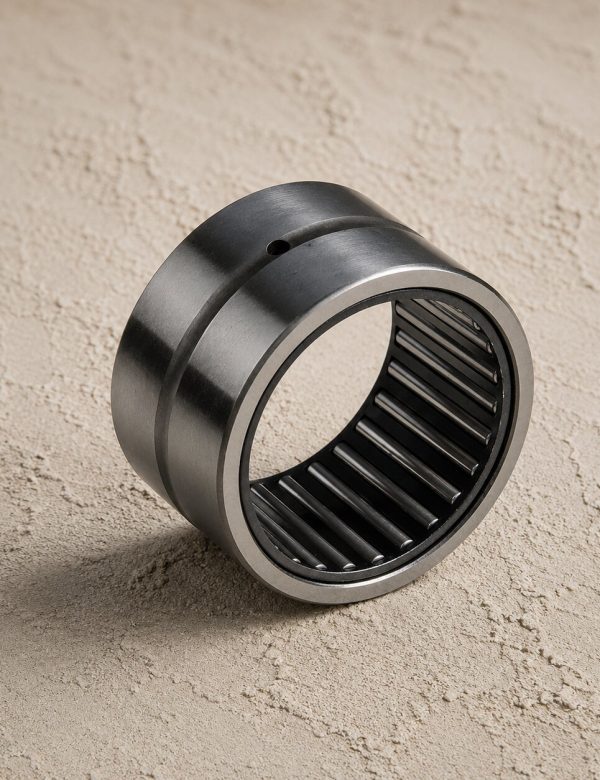
JFK K – KBK – KZK needle roller cages
JFK Needle Roller Bearings
- Most compact solution
- Shaft and housing raceways
Needle roller cages are assemblies of rollers retained by a stamped steel cage, without inner or outer rings: the rollers run directly on the shaft and housing surfaces, which must be hardened and ground. The absence of rings minimizes radial dimensions and allows the maximum number of rollers to be accommodated in the available space, achieving the highest radial load capacity for a given bore diameter.
JFK Group offers needle roller cages in the K series (for applications with cylindrical shaft and housing raceways), KBK series (with smaller rollers for applications with reduced pitch), and KZK series (for applications requiring reduced roller cross-section). Shaft and housing surfaces acting as raceways must be hardened to a minimum hardness of 58 HRC and ground with suitable surface roughness.
Needle roller cages are typically used in applications such as crank mechanisms, connecting rods, oscillating systems, and wherever radial space is the critical parameter and shaft and housing surfaces can be treated.
Versions
Three series: how to choose the right needle roller cage
The choice depends on the bore diameter, the required roller pitch, and the available installation space.
K needle roller cages
The standard series. Stamped steel cage with cylindrical rollers. They operate directly on the shaft and housing surfaces, which must be hardened and ground. K needle roller cages are available in a wide range of sizes. Standard series · Cylindrical rollers · Shaft and housing raceways
KBK needle roller cages
Cage with smaller diameter rollers compared with the K series. KBK needle roller cages are suitable for applications with reduced pitch or where a denser roller arrangement is required. Shaft and housing surfaces must be hardened and ground. Smaller diameter rollers · Reduced pitch · Denser arrangement
KZK needle roller cages
Cage with reduced cross-section rollers for applications requiring extremely limited installation space. Shaft and housing surfaces for KZK needle roller cages must be hardened and ground. Reduced cross-section rollers · Extremely limited installation space · Shaft and housing raceways
Performances
Design and performance features
Ringless design for minimum installation space and maximum radial load capacity within the available envelope.
Speed
Low and medium rotational speeds Suitable for low and medium speeds, typical of crank applications and oscillating systems. For higher speeds, needle roller bearings with drawn cups or NK/NKI needle roller bearings should be considered.
Cages
Stamped steel Stamped steel cages for all series. The cage retains the rollers and ensures their uniform distribution along the running surface.
Load
Maximum radial load capacity for the available space The absence of rings and the maximum number of rollers within the available space ensure the highest radial load capacity for a given envelope. Suitable for high radial loads in extremely limited spaces.
Installation space
Most compact solution available Without inner and outer rings, needle roller cages provide the smallest possible radial dimensions. The ideal solution when space is the primary constraint and shaft and housing surfaces can be treated.
Raceways
On shaft and housing The shaft and housing surfaces act directly as raceways. They must be hardened to a minimum hardness of 58 HRC and ground with suitable surface roughness to ensure the expected performance.
Lubrication
Lubrication must be ensured before commissioning and periodically during operation through the lubrication channels on the shaft or housing.
Mounting
Mounting of needle roller cages
Needle roller cages are installed directly between the shaft and housing surfaces, which must be hardened and ground beforehand. Before installation, verify that the surfaces meet the required tolerances, hardness, and roughness specifications. Lubrication must be ensured before commissioning.
Installation Mounting
- Installation between shaft and housingThe cage with rollers is positioned directly between the already treated shaft and housing surfaces. No special tools are required, but the surfaces must be properly prepared.
- Surface inspectionBefore installation, check the hardness (min. 58 HRC), dimensional tolerances, and surface roughness of the shaft and housing. Non-compliant surfaces may compromise performance and operating life.
Technical data
- Speed
- Low and medium rotational speeds
- Cages
- Stamped steel
- Load
- Maximum radial load capacity for the available space
- Installation space
- Most compact solution available
- Raceways
- On shaft and housing
Applications
Applications
Components and application support for every industrial environment.

Industrial automation
Applications in crank mechanisms and connecting rods of automated machines with high radial loads and limited installation space. The ringless design maximizes load capacity within the available space.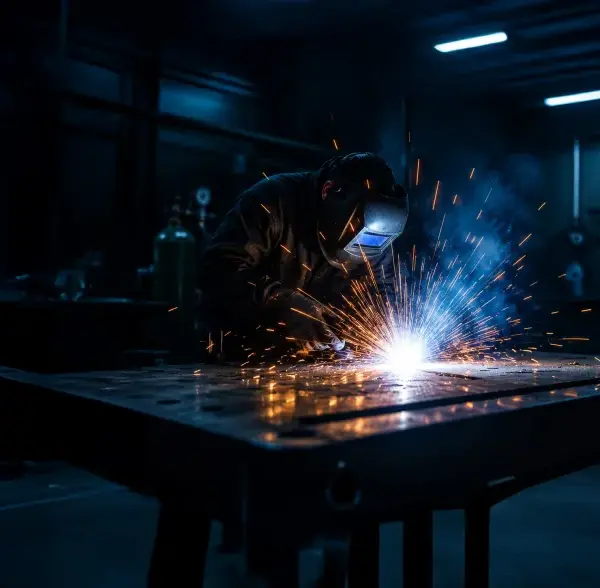
Metal Fabrication / Machining Industry
Oscillating systems and crank applications in machine tools where radial space is the primary constraint. The reduced cost compared with versions with rings makes them a cost-effective solution for series production applications.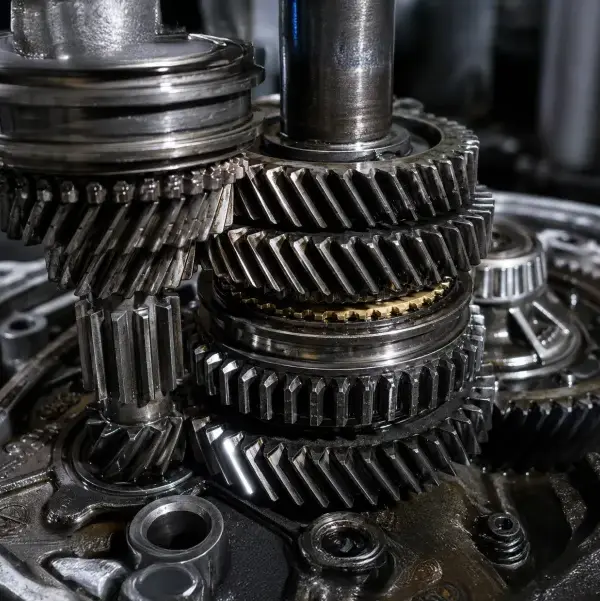
Transmissions and axles
Transmission systems with high radial loads in extremely limited spaces, where NK/NKI versions cannot be used due to dimensional constraints.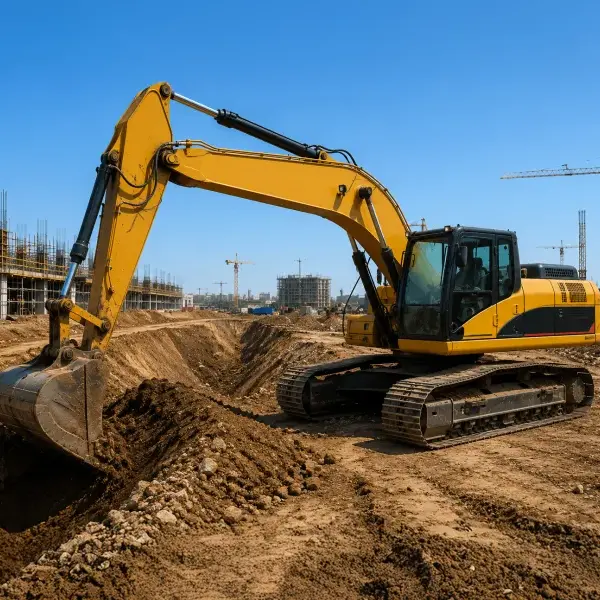
Construction Equipment
Actuators and motion systems with high radial loads and minimal installation space under demanding operating conditions. The maximum load capacity for the available envelope makes them suitable even for the most demanding applications.
Contacts
Request information about this product
Complete the form for technical information, quotations or trial samples.
Related products
Please also consider these alternatives: When shaft and housing surfaces cannot be treated, NK/NKI needle roller bearings provide the same load capacity with their own rings. For applications with higher speeds or where an integrated stamped outer ring solution is preferred, drawn cup needle roller bearings offer simplified installation. When needle roller cages are to be used on untreated shafts, the IR inner ring allows the shaft hardening process to be avoided.
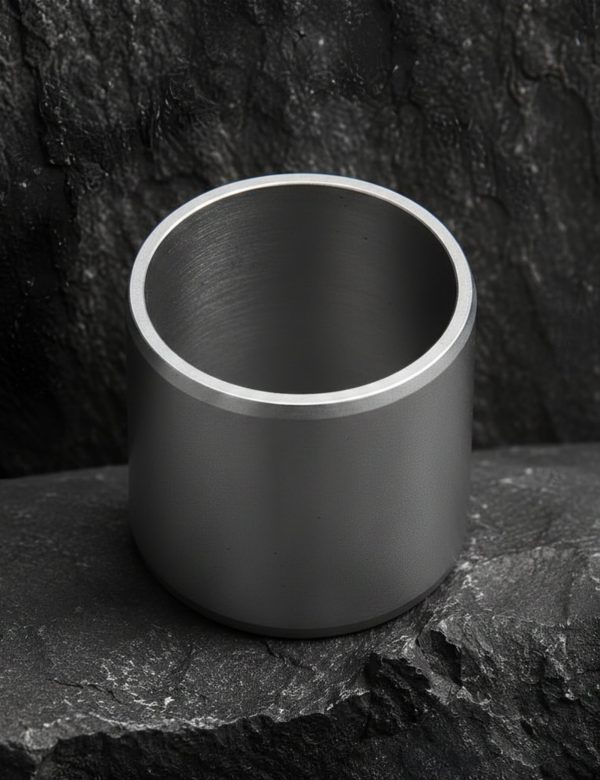
JFK IR inner rings
IR inner rings are separate components designed for use with needle roller bearings without an inner ring: NK needle roller bearings, HK/BK drawn cup…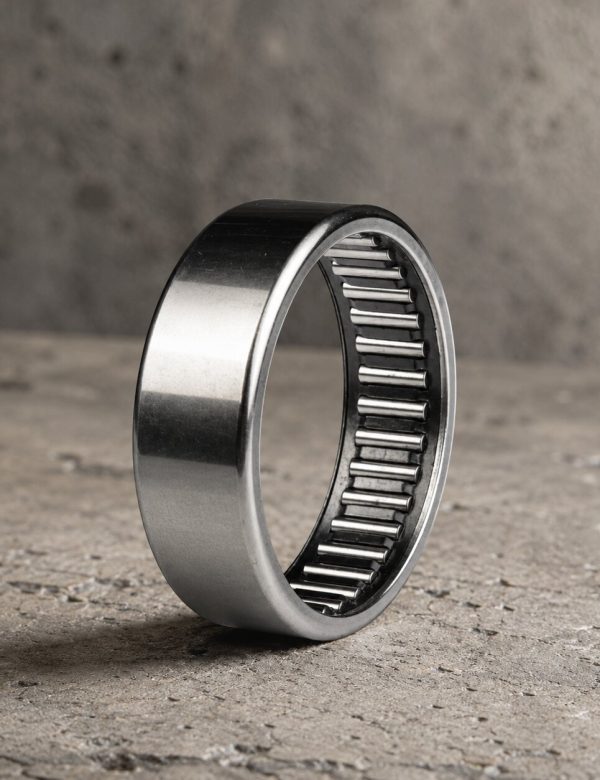
JFK Drawn Cup Needle Roller Bearings
Drawn cup needle roller bearings, also known as cup-type needle roller bearings, feature a thin-walled stamped steel outer ring with an integrated needle roller…